
The process of managing procurement relationships, monitoring contract performance, and making changes and corrections as appropriate.
COMMUNICATIONS MANAGEMENT PLAN
International Football Tournament Stadium & Digital Ticketing Project
Project Manager: Alex
Version: 1.0
Approval Date: 10 December 2025
Status: Approved – Controlled
- Purpose
This Communications Management Plan defines:
- Communication objectives
- Stakeholder information needs
- Communication methods
- Reporting frequency
- Escalation pathways
- Confidentiality protocols
Objective:
Ensure the right information reaches the right stakeholders at the right time, in the appropriate format.
- Communication Principles
The project adopts the following principles:
- Transparency without political overexposure
- No surprise governance events
- Data-driven reporting
- Alignment with Stakeholder Engagement strategy
- Protection of sensitive financial and security information
- Communication Requirements Analysis
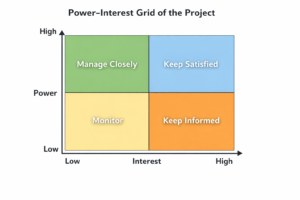
Based on Stakeholder Register, communication needs are categorized:
Stakeholder Group | Information Needed | Frequency | Detail Level |
Executive Level
Ministry Steering Committee
- Monthly performance report
- Cost & Schedule variance (EVM dashboard)
- Top 10 risk report
- Major decision requests
Format: Executive dashboard + briefing meeting
Frequency: Monthly
Owner: Project Manager
Minister of Sports
- High-level milestone updates
- Reputational risk alerts
- Budget status summary
Format: Executive summary (2 pages max)
Frequency: Monthly or as needed
Owner: Project Manager
Financial Stakeholders
Finance Authority
- Budget utilization
- Forecast at completion
- Contingency status
Format: Financial report
Frequency: Monthly
Owner: Financial Controller
Construction Stakeholders
Prime Contractor
- Weekly coordination meeting
- Risk log review
- Change order discussions
- Schedule performance updates
Format: Weekly meeting + minutes
Owner: Construction Lead
Digital Stakeholders
Digital Vendor
- Sprint review demos
- Integration coordination
- Performance metrics
- Security compliance updates
Format: Bi-weekly sprint review
Owner: Digital Lead
Regulatory Authorities
- Compliance documentation
- Inspection readiness reports
- Certification requests
Format: Formal submission package
Frequency: Milestone-based
Owner: PMO Compliance Officer
Operations Team
- Readiness updates
- Handover documentation
- Training schedules
Format: Workshop sessions
Frequency: Quarterly increasing near handover
Sponsors & Commercial Partners
- Milestone achievements
- Digital engagement previews
- Marketing coordination
Format: Quarterly briefing
Media & Public
- Approved press releases only
- Major milestone announcements
- Crisis communication statements
Media statements require Sponsor approval.
- Communication Matrix
Communication Type | Audience | Frequency | Format | Owner |
Executive Status Report | Steering Committee | Monthly | Dashboard | PM |
EVM Report | Finance | Monthly | Financial Report | Controller |
Risk Report | PMO + Sponsor | Monthly | Risk Register Summary | Risk Officer |
Construction Coordination | Contractor | Weekly | Meeting | Construction Lead |
Sprint Review | Digital Vendor | Bi-weekly | Demo | Digital Lead |
Integration Review | Both Streams | Monthly | Workshop | PM |
Governance Review | Sponsor | Quarterly | Formal Presentation | PM |
Crisis Communication | Media | As needed | Press Statement | Minister Office |
- Escalation Path
Escalation required if:
- Cost variance > 10%
- Schedule variance > 30 days
- Quality non-compliance event
- Political scope demand
- Security incident
Escalation sequence:
- Project-level discussion
- PMO review
- Steering Committee
- Minister notification
- Reporting Tools
The following tools are used:
- EVM dashboard
- Risk heat map
- Schedule variance charts
- Quality metrics reports
- Integration dependency map
All documents stored in PMIS.
- Communication Methods
Methods used:
- Formal reports
- Executive briefings
- Workshops
- Sprint reviews
- Email notifications
- Press releases
- PMIS dashboards
- Confidentiality & Information Sensitivity
Information categories:
Level | Access |
Public | Media-approved releases |
Restricted | Steering Committee |
Confidential | Financial & contract data |
Highly Confidential | Security architecture |
Unauthorized disclosure may trigger disciplinary review.
- Communication Risks
Risks include:
- Information overload
- Political misinterpretation
- Premature public announcements
- Uncontrolled media leaks
Mitigation:
- Controlled reporting templates
- Single point of public communication
- Clear approval workflow
- Update & Review
This plan will be reviewed:
- Quarterly
- After major stakeholder conflict
- After crisis events